
What Tennis Competitions From the Age of 12 Taught Me Now in My 30's
 26 Jul 2026
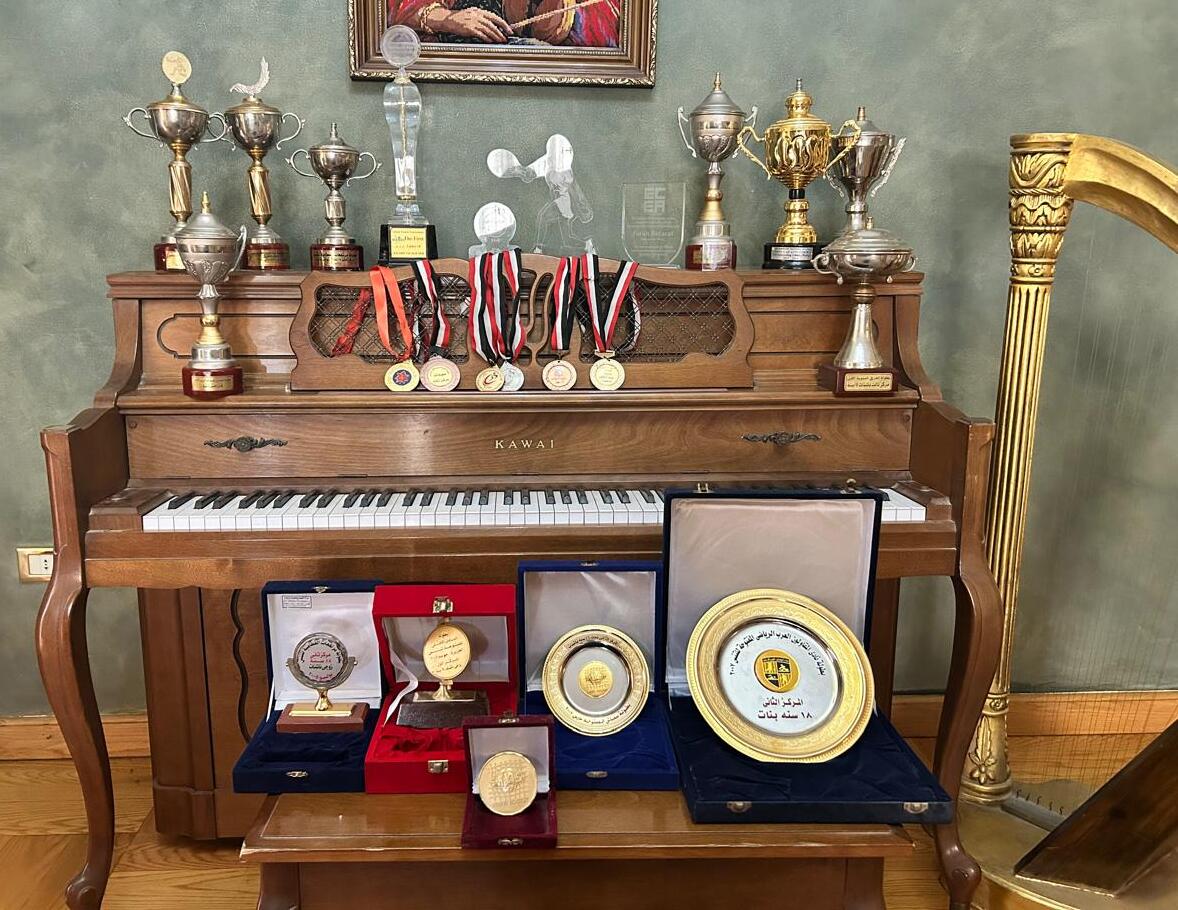
I have always known sport is good for you. It shapes your personality from a young age. I know it, you know it. What’s been interesting to me lately is how that shows up 20 years later. I could now see how it has helped my 30-year-old self through a PhD.
Competing in an individual sport (I can’t say much about team sports, although I imagine many people can relate there too), is a one-man show. For me that was me, my brain, my racket, my body and a court. You are fully responsible for every decision, and you make hundreds of them in a single match.
One thing I learned, and that somehow became part of my personality, is to never let go. To persevere even at times when the odds are not in your favor, when it doesn’t even make sense, when it seems even impossible and losing is inevitable. Because the moment I let go there is no other outcome than losing. But if I do my best and try, it’s not 100% probability anymore, there is a chance, even if small, that I come back. And even if I don’t, I still walk away with the feeling of accomplishment and pride that comes from fighting until the very end.
And this is something that has defined me throughout my years in academia.
Because, most of the time, a PhD is also a one-man show. Don’t get me wrong, you still get the supervisor’s support, revisions, feedback, but at the end of the day you are doing the analysis, collecting data, writing the paper, responding to reviewers, preparing the presentation… In a match, that would be your coach and your family cheering you on, handing you water. But you’re still the one on the court.
So how did that mindset translate into my PhD?
I’ve had many moments where I wanted to submit a paper against a ridiculously tight deadline, push through yet another rejection, or get a demo ready for a conference or workshop that seemed completely out of reach. There is always the option of saying, “Nope, this isn’t happening. Let’s spend our time on something else.” And honestly, sometimes that’s the right decision (depending on the situation).
But that’s just not how I do it 😅.
I would stay until the very end, until the deadline has actually passed, working and keep trying to make it happen. Many times I would actually catch up. The paper gets submitted. The paper gets accepted. The demo works. I make it to the conference. This is not always the case to be fair, but it definitely happened quite often.
I’m beyond words grateful for my parents for this mindset. For spending all the time, effort, and money to make sure we could learn a sport at a young age, and for being there every single step of the way: all the training session, all the matches, all the tournaments, all the travels, boot-camps, they would find the time and be there with me. I honestly don’t recall a single training session or match where I was alone.
I realize how much that shaped who I am today, 20 years later.